Inquiry-Based Learning

What Is the Reggio Emilia Approach? A Parent’s Guide

What Is the Reggio Emilia Approach? A Parent’s Guide

If you have been reading about preschools in Singapore, you have probably come across the phrase “Reggio Emilia.” It sounds lovely — but what does it actually mean for your child’s day, and how is it different from a more traditional classroom? This parent’s guide explains the ideas behind the approach, and how they shape learning at a Reggio-inspired preschool like Pegasus.

What Is the Reggio Emilia Approach?

The Reggio Emilia approach is a child-centred, inquiry-based philosophy of early education that began in the town of Reggio Emilia in northern Italy after the Second World War. Rather than a fixed syllabus of facts to memorise, it is a way of seeing children and organising learning around their genuine curiosity.

At its heart is a simple, powerful belief: every child is capable, curious and full of potential. Learning happens best when children investigate real questions, express their ideas in many ways, and are taken seriously as thinkers. Pegasus is a Reggio-inspired school — we draw on these principles and adapt them for our trilingual, Singapore context; we are not a franchised or certified Reggio institution, and the approach is lived in our classrooms rather than printed on a certificate.

How Reggio Emilia Views Children

In a Reggio-inspired classroom, the child is seen as the capable, competent protagonist of their own learning — not an empty vessel waiting to be filled. Children arrive already full of theories about how the world works, and the adults’ job is to notice those ideas, take them seriously, and help children test and extend them.

One of the most quoted Reggio ideas is that children have “a hundred languages” — many different ways of thinking and expressing themselves, through drawing, building, movement, music, dramatic play and words. When those languages are valued, children’s confidence grows.

Learning Through Inquiry and Exploration

Reggio-inspired learning is closely tied to inquiry-based learning, where children lead the questions, investigations and discoveries. Instead of every child completing the same worksheet at the same time, a small wondering — “where do snails go when it rains?” — can grow into a project that weaves together storytelling, counting, science and art.

This kind of exploration is not less rigorous than a worksheet. Because children are genuinely engaged, they concentrate for longer, reason more deeply, and remember more — the habits that matter most when they reach Primary 1.

The Environment as Part of Learning

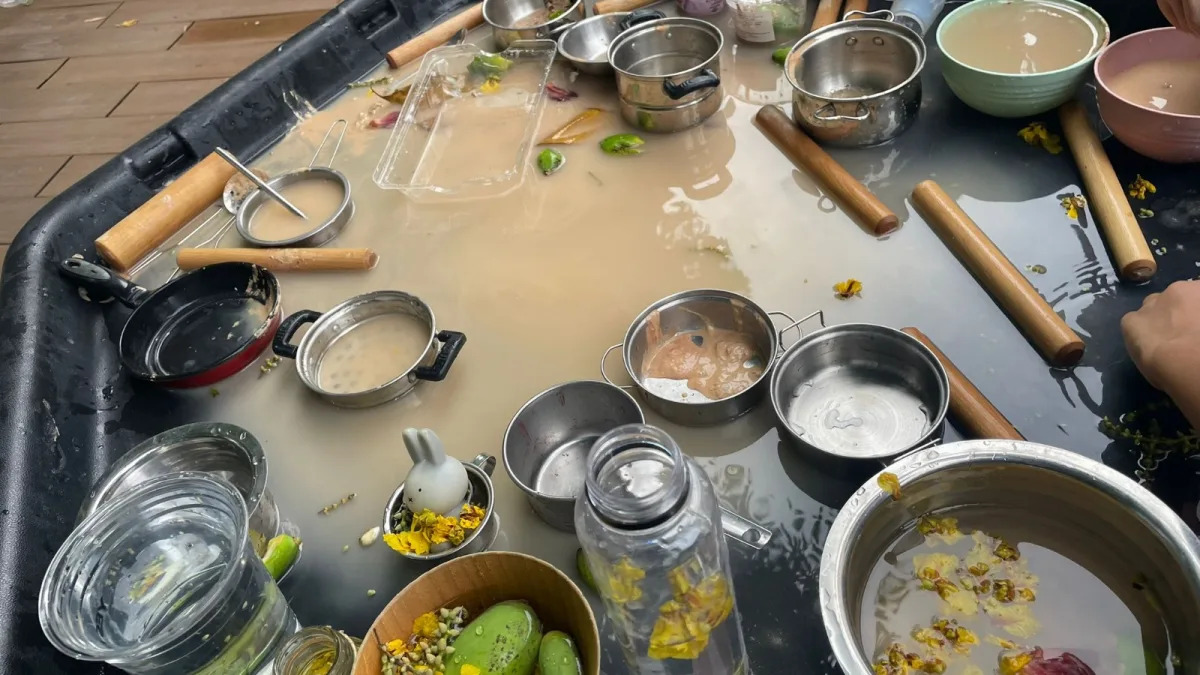
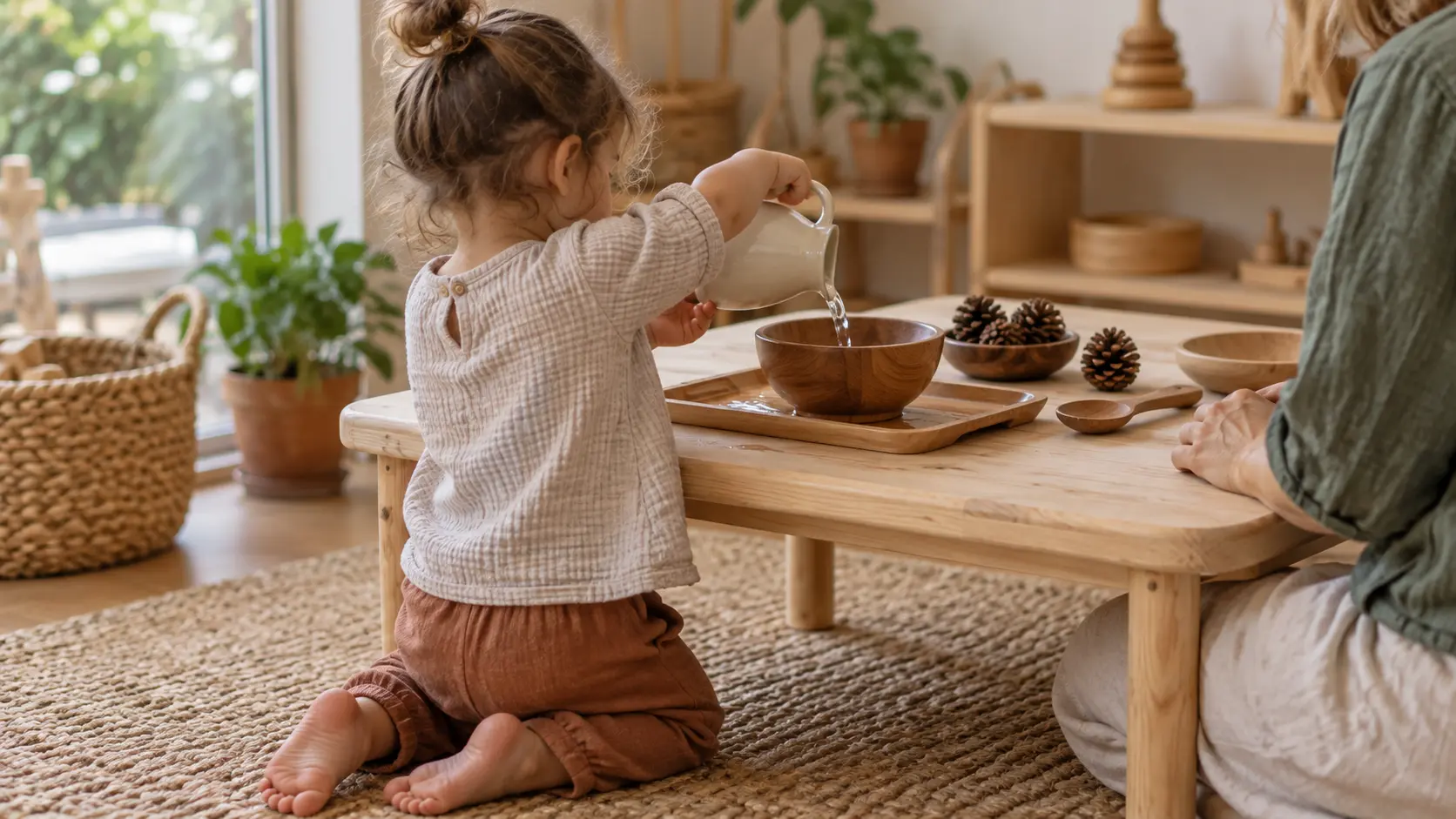
Reggio educators often describe the environment as a “third teacher.” Classrooms and outdoor spaces are set up intentionally, with provocations and open-ended materials — loose parts, natural objects, mirrors, light and real tools — that invite children to pause, notice, experiment and revisit their ideas. A thoughtfully arranged space quietly does a lot of the teaching.

The Role of Educators

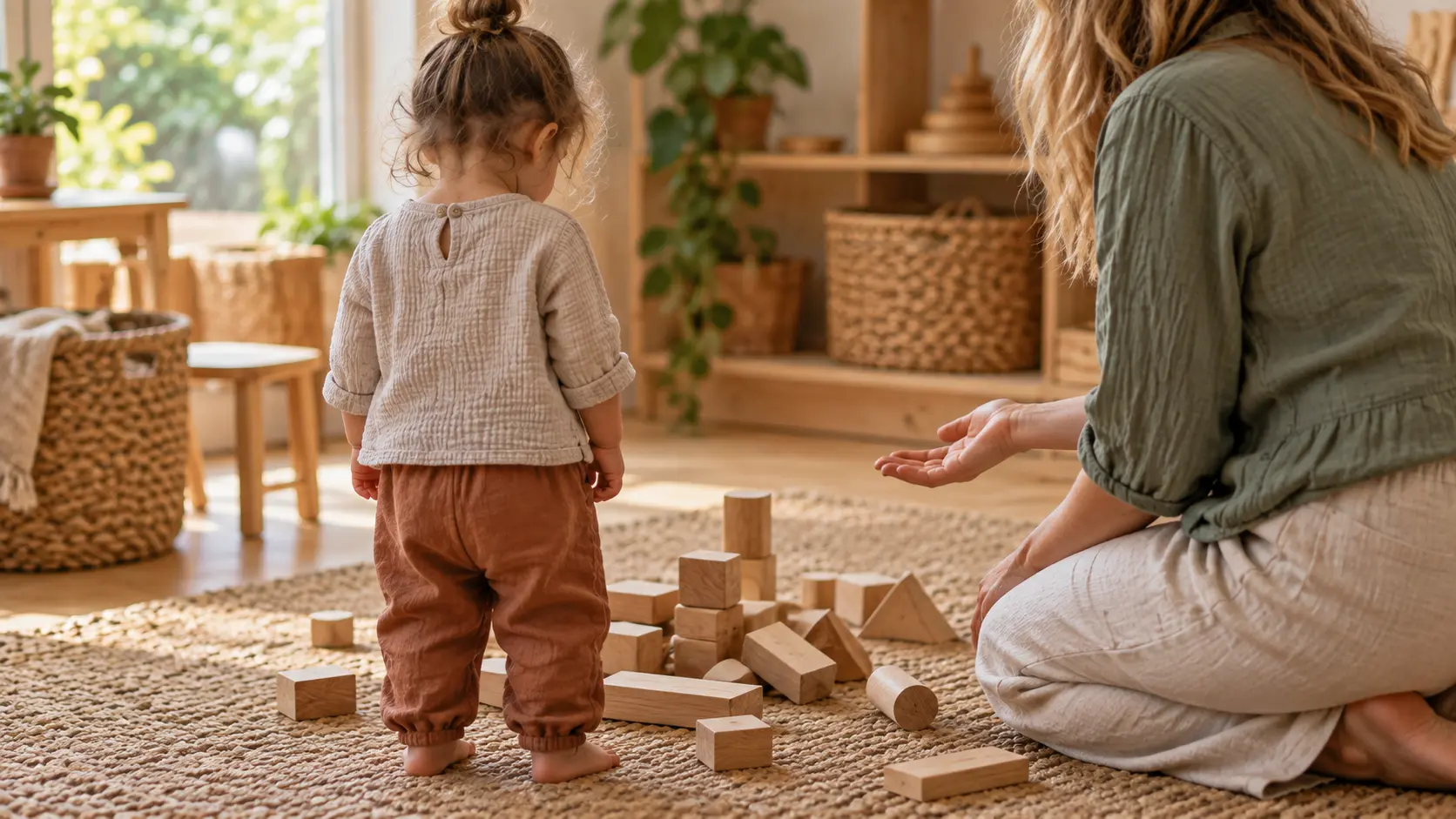
If children lead, what do the teachers do? A great deal — just not in the way we might expect. Educators observe carefully, ask open-ended questions, and join in only when it will deepen the exploration, letting children take the lead. They are co-learners and researchers alongside the children, planning the next provocation based on what they notice.

Documentation, Observation and Reflection

A distinctive part of the approach is documentation. Children’s questions, discoveries and reflections are captured through photos, notes and learning journals that make their thinking visible — to the child, to teachers, and to families. Documentation turns a fleeting moment of learning into something children can look back on, talk about and build on, and it keeps parents genuinely close to their child’s progress.

What Reggio-Inspired Learning Can Look Like at Preschool

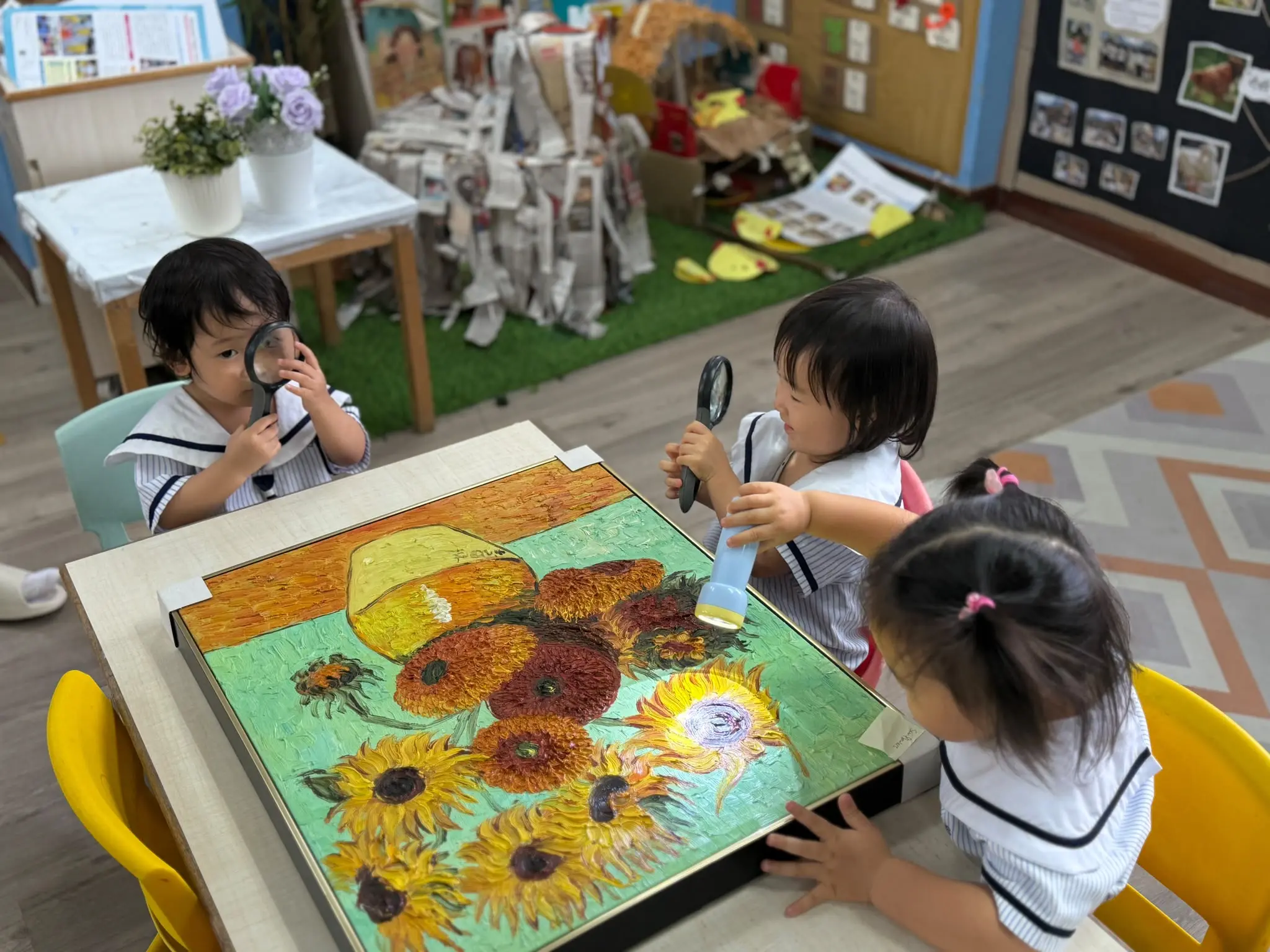
On any given day, a Reggio-inspired classroom might look like a group of four-year-olds measuring how far a toy car rolls, a child retelling a story through a clay model, or a quiet corner where two children compare leaves under a magnifying glass. There are still routines, guidance and clear expectations — but the learning is joyful, hands-on and connected to children’s real interests, rather than driven by a stack of worksheets.

How Pegasus Uses a Reggio Emilia-Inspired Approach

At Pegasus, our Reggio-inspired philosophy is lived in three languages — English, Mandarin and Japanese — used daily through play, songs and real conversations. It sits alongside our preschool curriculum and its six connected areas of learning, so children grow intellectually, emotionally, socially, creatively and physically through meaningful everyday experiences. That belief is our motto: Soar with Confidence.

To see how the principles above translate into our classrooms — the environment, the projects and the trilingual day — read more about the Reggio Emilia approach at Pegasus.

Is Reggio Emilia Right for Every Child?

Many children thrive in an inquiry-led environment, because it meets them where their curiosity already is. Every family’s priorities are a little different, though, and the best way to know whether an approach suits your child is to see it for yourself — watch how children are spoken to, how the space is set up, and whether learning feels warm and purposeful.

If a trilingual, Reggio-inspired preschool in Novena sounds like the right fit, we would love to show you around. Book a school tour to see a Pegasus day unfold.

Frequently Asked Questions

What is the Reggio Emilia approach in simple terms?

It is a child-centred, inquiry-based philosophy of early education that began in Reggio Emilia, Italy. Instead of memorising facts, children investigate real questions and express their ideas in many ways, guided by teachers who see every child as capable and curious.

Is Pegasus a certified Reggio Emilia school?

No. Pegasus is Reggio-inspired — we draw on Reggio principles and adapt them for our trilingual, Singapore context. The approach is lived in our classrooms rather than certified on paper.

How is Reggio-inspired learning different from worksheets?

Rather than every child completing the same worksheet at the same time, children lead the questions and investigations, and a small wondering can grow into a project that weaves together storytelling, counting, science and art. Because children are genuinely engaged, they concentrate for longer and remember more.

What are the “hundred languages” of children?

It is a Reggio idea that children have many ways of thinking and expressing themselves — drawing, building, movement, music, dramatic play and words. When those languages are valued, children’s confidence grows.

How can I see the approach in action at Pegasus?

The best way is to visit. Book a school tour to see the environment, the projects and our trilingual day, and to watch how teachers listen to and work alongside children.

Related resources

Pegasus Inquiry at Home

Meaningful Questions to Grow Together

Explore more thoughtful ways to talk, listen and learn together at home — or come and see our classrooms in person.

WhatsApp WhatsApp Email Email Contact us Contact Us Book a school tour Book a School Tour