
Outdoor Science Exploration at Preschool
Hands-on discovery with plants, leaves, flowers, seeds and natural materials — how young children build curiosity and early scientific thinking at Pegasus International Preschool.
Outdoor science exploration gives preschool children opportunities to investigate the natural world through direct experience. Instead of learning only from pictures or explanations, children can observe real plants, compare leaves, handle seeds, examine flowers and notice changes in their surroundings.
In a preschool learning environment in Singapore, these experiences can help children become more curious about the living things they see around them. Hands-on exploration encourages children to look closely, ask questions and share what they notice.
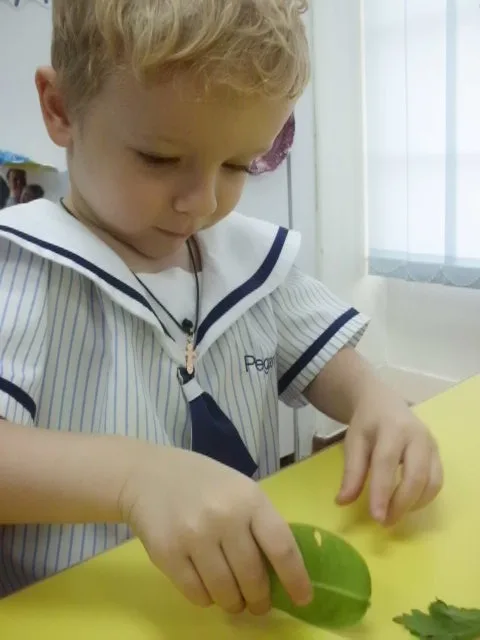
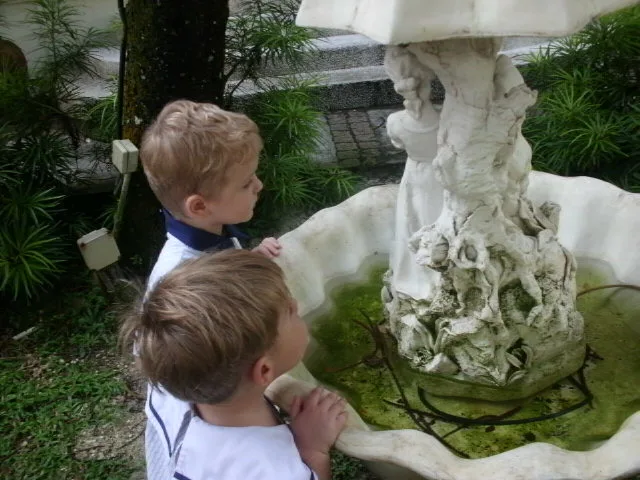
The photographs on this page capture moments of children engaging with plants and natural materials in both outdoor and classroom settings. Through guided exploration, children may develop early scientific thinking while building language, sensory awareness, coordination and confidence in expressing their ideas.
What Is Outdoor Science Exploration?
Outdoor science exploration introduces children to early scientific ideas through real-world observation and discovery. It does not require young children to memorise complex facts. Instead, they may be encouraged to notice, touch, compare, sort, describe and ask questions about what they encounter.
A leaf, flower, seed, branch or tree can become the starting point for meaningful learning. Children may notice differences in colour, shape, size, texture or smell. They may wonder why some leaves are smooth while others are rough, why flowers have different colours, or how seeds eventually grow into plants.
These simple observations support the foundations of scientific thinking. Children begin to understand that they can learn about the world by looking carefully, testing ideas and discussing what they discover.
Learning Through Plants, Leaves, Flowers and Natural Materials
Natural materials offer rich opportunities for preschool learning because no two objects are exactly alike. Leaves may vary in shape and texture. Flowers can differ in size, colour and structure. Seeds may be round, flat, smooth, rough, light or heavy.
Activities involving these materials may invite children to explore in many ways.
Children may explore by
- Group leaves according to colour or shape.
- Compare the size of different flowers.
- Observe parts of a plant.
- Sort seeds or natural objects.
- Arrange materials in patterns.
- Match real objects with picture cards.
- Discuss where the materials may have come from.
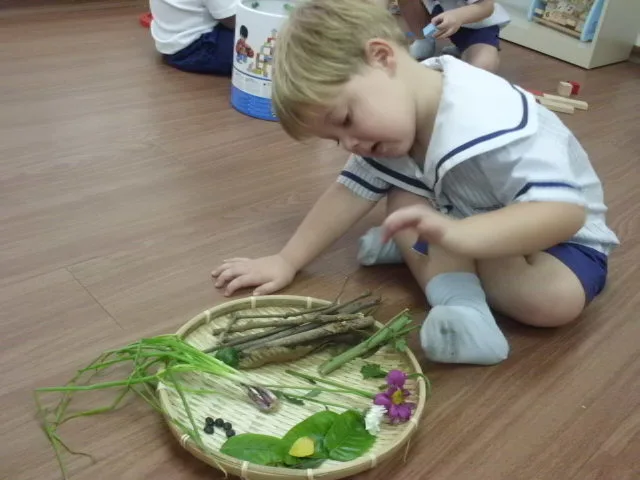
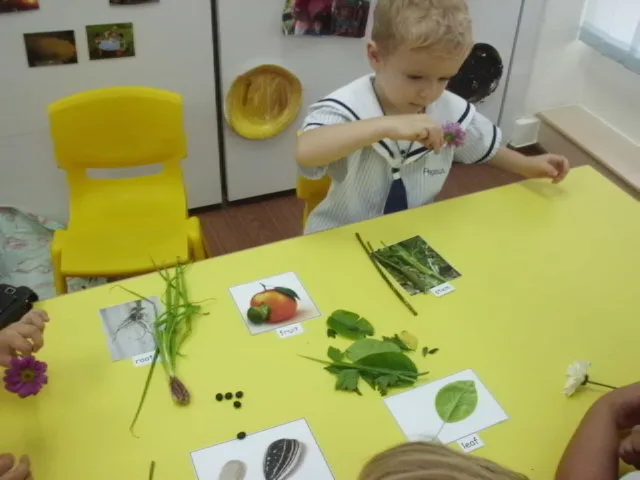
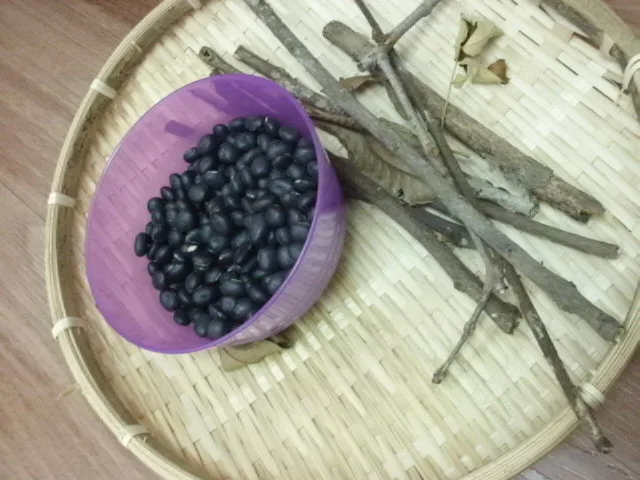
The photographs capture moments of children observing, handling and comparing items from nature. Such experiences can make learning more concrete because children are interacting with real objects rather than only receiving information verbally.
Developing Observation and Questioning Skills
Observation is an important early science skill. Young children often notice details that adults may overlook, especially when they are given enough time to investigate.
During nature exploration, teachers may prompt children with open-ended questions such as these.
Questions that encourage thinking
- What do you notice?
- How are these leaves different?
- What does this flower feel like?
- Which object is heavier?
- What do you think might happen next?
- Where do you think these seeds came from?
These questions do not require one fixed answer. They encourage children to examine the object, explain their thinking and listen to other ideas. You can learn more about our inquiry-based learning approach and how it grows from everyday curiosity.
Over time, children may become more comfortable asking their own questions. This supports curiosity and helps them understand that learning can begin with wondering.
Sensory and Hands-On Learning
Nature exploration engages several senses at the same time. Children may look at patterns on leaves, feel the bark of a branch, smell a flower or listen to sounds in an outdoor environment.
Sensory experiences can make new concepts easier to understand and remember. A child who has handled different leaves, for example, may better understand words such as smooth, rough, thin, thick, soft or dry.
Hands-on activities are also especially suitable for young learners because they allow children to learn by doing. Rather than sitting through a long explanation, children can take an active role in the experience — you can explore how children learn through play across the day at Pegasus.
For toddlers and younger preschoolers, the focus may be on touching, looking, naming and simple comparison. Older preschool children may be encouraged to classify objects, record observations, make predictions or explain their ideas in greater detail.
Supporting Language and Vocabulary Development
Science exploration can also support language learning. Children naturally need words to describe what they see and feel.
During an activity, they may encounter vocabulary related to many aspects of the natural world.
Words children may encounter
Words such as leaf, stem, petal, seed, root, branch, smooth, curved, dry and fresh become more meaningful when children can connect them with real objects.
At Pegasus International Preschool, children receive exposure to English, Chinese and Japanese within the school environment. Nature-based learning may provide natural opportunities for children to hear, use and revisit vocabulary across different contexts.
The aim is not simply to memorise terms. Children may be encouraged to use language to explain, compare, question and communicate their observations.
Fine-Motor and Coordination Skills
Handling natural materials can support physical development as well as scientific learning.
Children may practise fine-motor control through many small, hands-on actions.
Hands-on skills
- Pick up small seeds.
- Hold and turn a leaf.
- Separate flower petals.
- Place objects into groups.
- Arrange materials on a tray.
- Point to specific plant features.
- Match objects with cards or pictures.
These actions require careful hand and finger movements. They may also help children develop hand-eye coordination and control.
Teachers should select suitable materials and supervise activities according to the children’s age, particularly when small objects are involved.
Collaboration and Communication
Nature exploration can become a shared experience. Children may work beside one another, exchange materials, compare discoveries or discuss what they have found.
One child may notice the shape of a leaf, while another focuses on its colour. When children share these observations, they learn that the same object can be viewed in different ways.
Collaborative exploration may help children practise important social and communication skills.
Learning together
- Take turns.
- Listen to others.
- Express an opinion.
- Ask questions.
- Build on another person’s idea.
- Solve simple problems together.
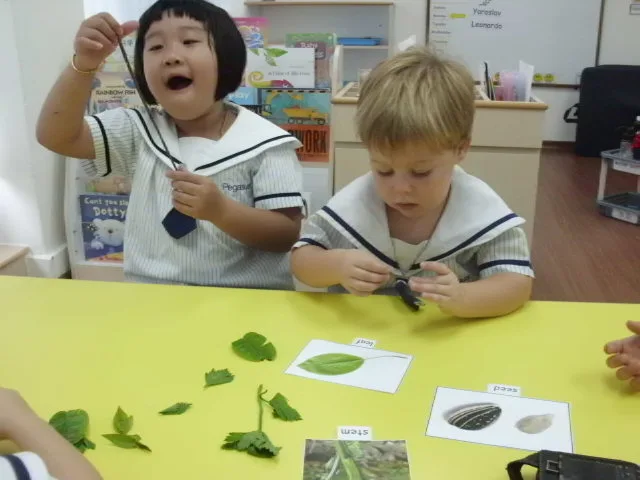
The photographs show children participating in individual and group exploration. These moments can support both independent thinking and communication with classmates.
Connecting Science Exploration with Inquiry-Based Learning
Inquiry-based learning begins with curiosity. Instead of giving children every answer immediately, teachers create opportunities for them to investigate.
A teacher might present a collection of leaves and ask the children how they could be organised. There may be several possible responses. Some children may sort them by size, while others may group them by colour, shape or texture.
The teacher can then encourage the children to explain their choices. This makes the thinking process as important as the final answer.
This type of learning experience supports children in becoming active participants. They are not only receiving information. They are observing, testing, discussing and revising their ideas.
Nature and the Reggio Emilia-Inspired Approach
In a Reggio Emilia-inspired environment, children are viewed as capable learners with ideas worth exploring. The environment, materials and relationships around the child all contribute to learning — you can read more about our Reggio Emilia-inspired approach.
Natural objects can serve as open-ended learning materials. Unlike toys that have one fixed purpose, leaves, sticks, seeds, flowers and stones may be examined, sorted, counted, arranged, drawn, photographed or used as inspiration for further projects.
An outdoor area can also function as an extension of the classroom. Children may revisit the same plant or location over time and notice changes. A question about a leaf may lead to drawing, storytelling, measurement, vocabulary work or a longer investigation into plant growth.
The direction of the activity may develop from the children’s observations and questions rather than following a rigid sequence.
How Teachers Guide Without Giving Every Answer
Teacher guidance remains important during open-ended exploration. The teacher’s role is not to leave children without support, but to help them think more deeply.
Teachers support discovery in many gentle, intentional ways.
How teachers support discovery
- Prepare safe and interesting materials.
- Observe how children interact with them.
- Introduce useful vocabulary.
- Ask open-ended questions.
- Encourage children to explain their thinking.
- Document children’s comments and discoveries.
- Suggest another way to investigate.
- Help children connect present observations with previous experiences.
For example, rather than immediately telling a child why two leaves look different, the teacher might ask the child to compare their surfaces, edges and colours.
This approach gives children time to think while still providing appropriate guidance. You can discover our preschool curriculum in Singapore to see how these experiences fit into everyday learning.
Continuing Nature Exploration at Home
Parents can encourage early science exploration without needing specialised equipment. Everyday surroundings offer many opportunities.
Families may take a short walk and look for leaves of different shapes, observe plants growing along a path, compare flowers in a garden or talk about changes in the weather.
At home, parents can invite children to keep exploring the natural world in simple ways.
- Sort collected leaves by size.
- Draw a flower they observed.
- Compare fresh and dry leaves.
- Look closely at seeds from fruit.
- Describe the texture of safe natural objects.
- Water a plant and observe its changes.
- Take photographs of plants over several days.
Parents can support the learning process by asking simple questions and listening carefully to the child’s ideas. It is not always necessary to provide an immediate explanation. Wondering together can be an important part of the experience.
Photo Gallery
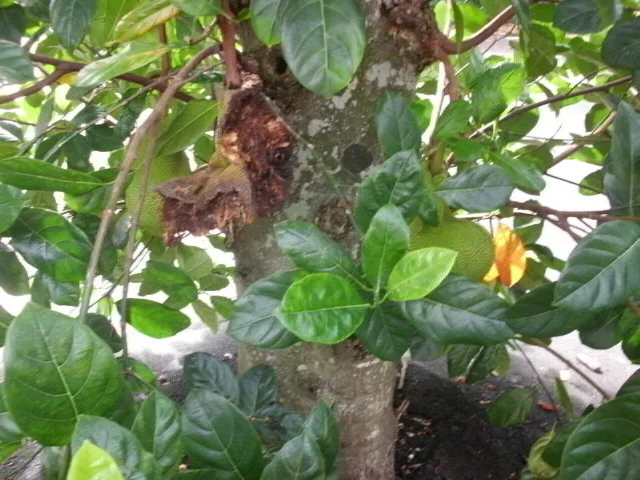
The gallery below captures children observing plants, handling leaves and flowers, examining seeds, comparing natural materials and sharing discoveries with classmates. The photographs show how outdoor observations can be brought into the classroom for closer investigation, discussion and hands-on learning.

Frequently Asked Questions
What do preschool children learn from outdoor science activities?
Outdoor science activities may help children practise observation, comparison, sorting, questioning and communication. They can also support vocabulary development, sensory awareness, fine-motor skills and an early understanding of plants and the natural environment.
How does nature exploration support inquiry-based learning?
Nature exploration gives children real objects and situations to investigate. Teachers can encourage them to observe closely, ask questions, suggest explanations and compare different ideas instead of simply providing every answer.
Is outdoor science suitable for toddlers?
Yes, when activities are age-appropriate and carefully supervised. Toddlers may begin by looking, touching, naming and comparing safe natural materials. Small objects and unsuitable plants should be avoided or managed closely.
How can parents encourage science exploration at home?
Parents can take nature walks, observe plants, examine safe leaves or seeds, grow a simple plant, compare natural objects and ask open-ended questions. Everyday experiences can become useful science conversations without requiring special equipment.
How does the Reggio Emilia approach use nature and the environment?
A Reggio Emilia-inspired approach views the environment and available materials as important parts of learning. Natural objects may be used for investigation, discussion, drawing, sorting, storytelling and longer projects guided by children’s interests and questions.
Discover How Learning Comes to Life at Pegasus
Outdoor science exploration is one of the many ways children investigate ideas through observation, play, discussion and hands-on experience. Visit us to view the learning spaces and speak with our team about the programmes available for your child’s age group.