Ask almost any parent what they most want for their child, and the answer arrives without hesitation: "I just want them to be happy." It is a beautiful and deeply human hope. Yet as our children grow up in a world being reshaped by artificial intelligence, automation and change that arrives faster every year, a quieter and more searching question sits beneath that wish. Is happiness, on its own, truly enough to prepare a child for the future they will inherit? At Pegasus International Preschool, we believe the answer is both loving and honest: happiness matters enormously, but it is not the whole story.
Why Happiness Alone Isn't Enough
Happiness is a feeling, not a skill. It comes and goes with circumstance, and no childhood — however warm — can be entirely free of frustration, disappointment or difficulty. When we make a child's momentary happiness the only goal, we can unintentionally smooth away the very experiences that help them grow. A child who has only ever felt comfortable may feel lost the first time something is genuinely hard. What lasts is not a permanent state of cheerfulness, but the inner capacities that allow a child to meet an uncertain world with confidence, flexibility and hope.
This matters more than ever in the age of AI. Many of the tasks today's children will one day be asked to do have not been invented yet, and some of the jobs we imagine for them now may be automated before they even leave school. Memorised knowledge alone is no longer a safe foundation. What will set our children apart is not how much they can recall, but how they think, adapt, create and connect with others.
The Capacities That Matter Most in an AI World
When we look past happiness to what genuinely prepares a child, a clear set of human capacities comes into view — the very abilities that machines cannot easily replicate:
- Curiosity — the drive to keep asking "why" and "what if", which fuels lifelong learning long after any single fact is forgotten.
- Adaptability — a comfort with change and the willingness to try a new approach when the first one does not work.
- Resilience — the ability to feel disappointment, recover and try again rather than give up.
- Creativity — the confidence to imagine, invent and notice possibilities that others miss.
- Critical thinking — the habit of questioning, comparing and reasoning, which becomes essential in a world flooded with information and AI-generated content.
- Collaboration — the skill of listening, negotiating and building something together with others.
- Human and emotional skills — empathy, self-awareness and the ability to understand and manage big feelings.
These are not extras to be added once the academic boxes are ticked. They are the true foundation of a future-ready childhood.
What This Looks Like at Pegasus
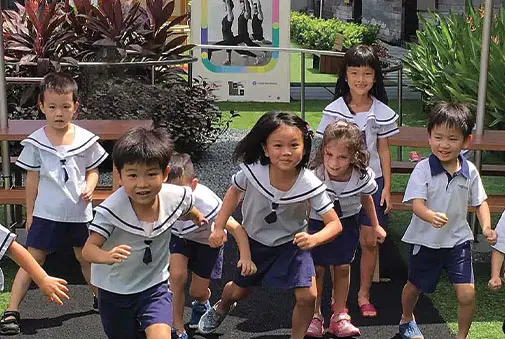
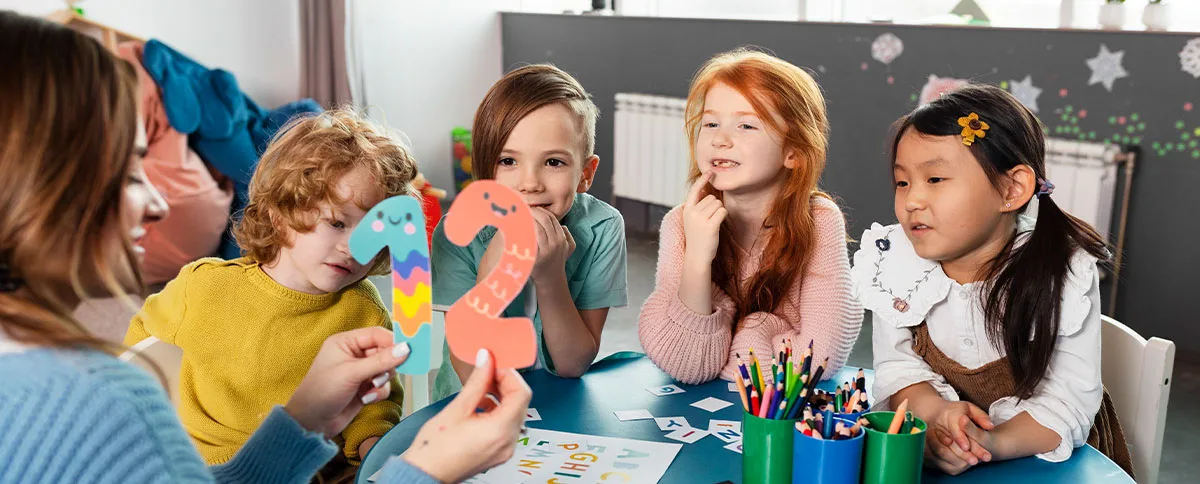
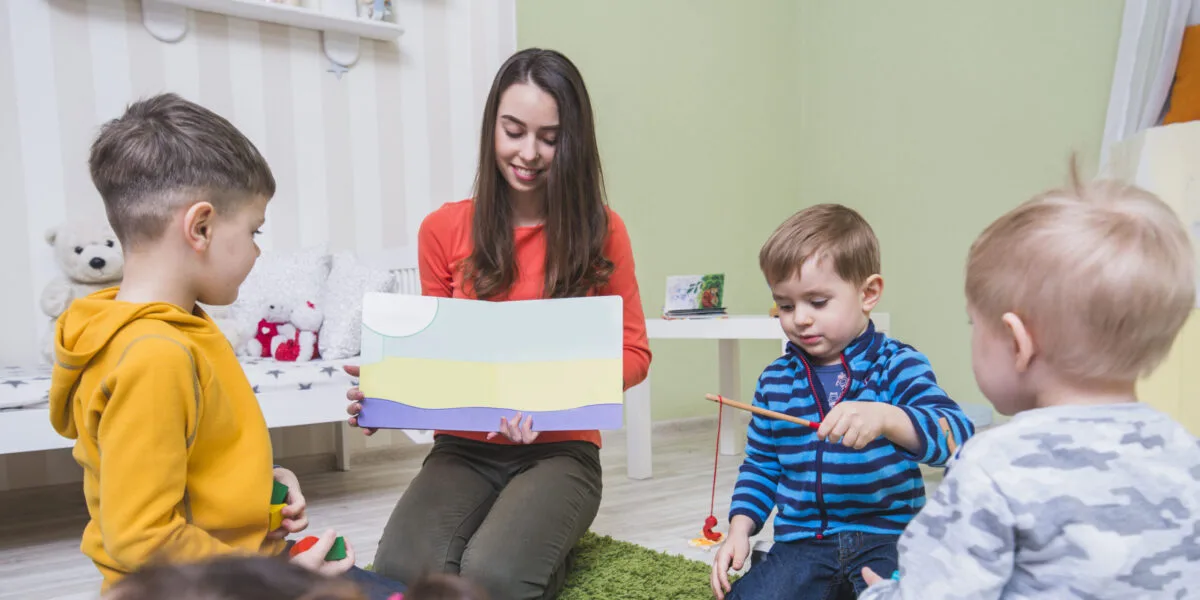
Our inquiry-based, Reggio-inspired approach is designed to nurture exactly these capacities. Rather than simply delivering facts, our teachers follow children's questions and interests, inviting them to investigate, experiment and reflect. When a child wonders why leaves change colour or how a bridge stays up, that wonder becomes a project — and along the way they practise curiosity, problem-solving, creativity and working alongside friends. You can see this philosophy woven through our curriculum, from our youngest learners in the Nursery programme to the growing confidence of children in our Kindergarten programme.
Because we keep our classes small and our teacher-to-child ratios low, every child is truly seen and known. Our campus in the heart of Novena — a warm, welcoming preschool in central Singapore — also offers a trilingual environment in English, Chinese and Japanese, stretching young minds and building the flexibility and openness that serve children so well in a connected, fast-changing world.
The Human Skills AI Cannot Replace
Perhaps the most reassuring truth for parents is this: the more advanced technology becomes, the more precious our children's human qualities will be. Empathy, kindness, collaboration and emotional intelligence cannot be downloaded. This is why social and emotional learning sits at the heart of daily life at Pegasus. Through warm relationships with teachers, gentle guidance in naming and managing feelings, and countless small moments of turn-taking and making amends, children learn to understand themselves and care for others. A child who is both emotionally secure and genuinely capable is far better prepared for the AI future than one who has simply been kept happy.
Interested in seeing how Pegasus International Preschool supports your child's learning journey? Book a school tour or contact our enrolment team to learn more.