For many families moving to Singapore, one worry rises above the rest: my child barely speaks English — will they cope at preschool? It is a completely understandable fear. No parent wants to picture their child feeling lost or unable to ask for help. The reassuring answer, borne out in classrooms every day, is that young children do not need to speak fluent English before they start preschool in Singapore. They learn it where they are, gently and naturally, and the early years are one of the best times in life to do so.
The Short Answer: No, Fluency Is Not Required
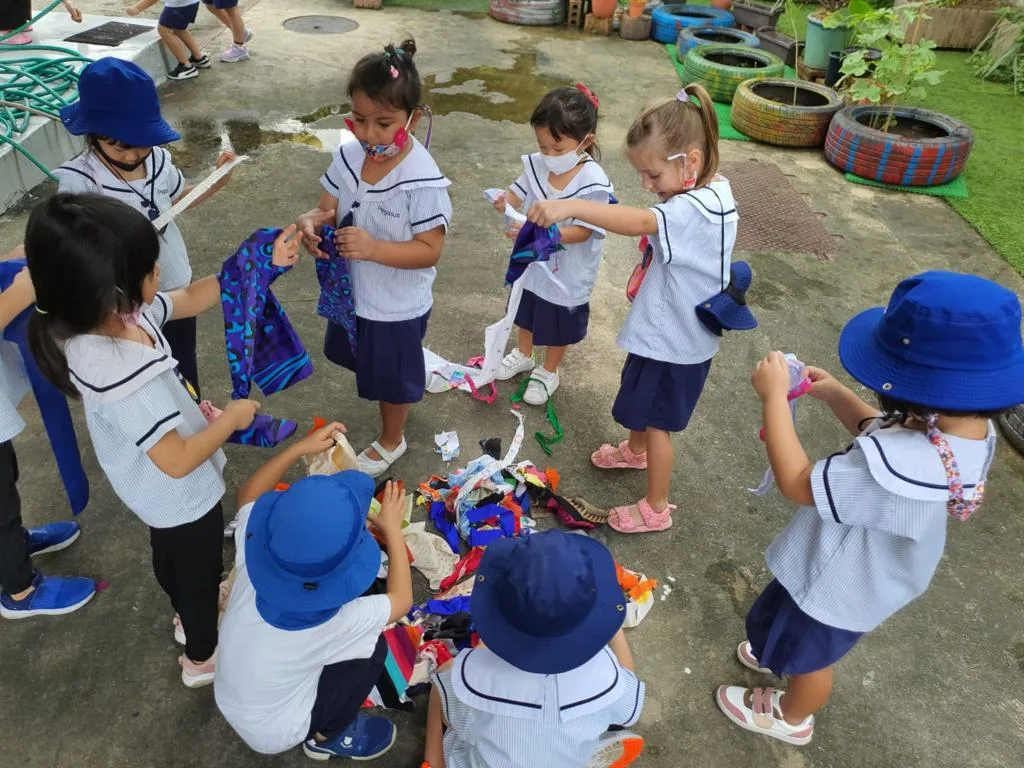
Preschools in Singapore, including English-medium preschools like Pegasus, are used to welcoming children with all kinds of language backgrounds. Some children arrive with no English at all; others have a few words; many speak a different language entirely at home. Teachers expect this and are practised at supporting it. What a child needs on their first day is not vocabulary but warmth, patience and a sense of safety — and those are exactly what a good preschool provides.
How Young Children Actually Learn a New Language
It helps to understand how language learning works at this age, because it is very different from how adults learn. Young children pick up language socially and in context, not through grammar lessons or memorised lists. They hear the same friendly phrases every day — "time to wash hands", "would you like more?", "let's tidy up" — attached to real actions, and gradually the meaning becomes clear. They watch other children, copy, try, and are understood. Play, songs, stories and repetition do the teaching. In a language-rich, caring classroom, many children move from silent watching to single words to short phrases over their first weeks and months, at their own pace. Every child is different, and there is no fixed timetable — what matters is a supportive environment and time.
A Quiet "Settling-In" Period Is Normal
It is common for a child in a new language environment to go through a quiet phase at first — listening, observing, absorbing, and saying little. Parents sometimes worry that nothing is happening. Usually a great deal is happening beneath the surface. This receptive period is a normal part of learning, and pushing a child to speak before they are ready tends to add pressure rather than help. Trusting the process, and trusting teachers who see this pattern often, is usually the kindest approach.
Your Home Language Is an Asset, Not an Obstacle
One of the biggest fears parents carry is that learning English will crowd out the family's home language — or that keeping the home language will hold English back. Neither has to be true. A strong home language gives a child a secure foundation of thinking, identity and family connection, and children are very capable of growing more than one language at once. The goal is not to replace your language with English but to add English alongside it. We explore this further in our guide to raising a multilingual child in Singapore.
Singapore is an unusually good place for this. As a naturally multilingual society, it treats speaking more than one language as ordinary and valuable. At a trilingual preschool like Pegasus, children hear English, Mandarin Chinese and Japanese woven through the day, so no child feels that theirs is the "odd" language in the room.
How Teachers Support a Child Who Is New to English
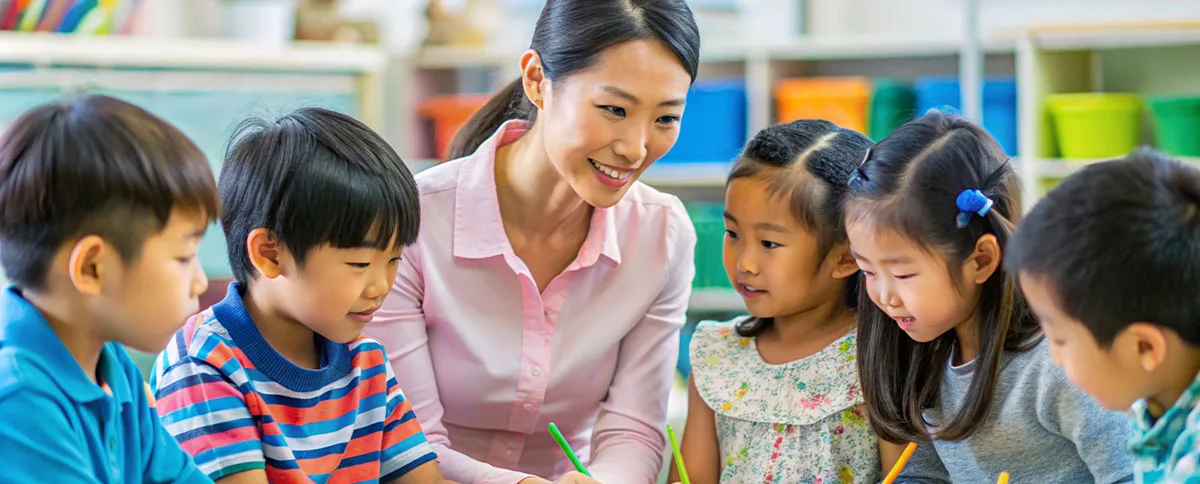
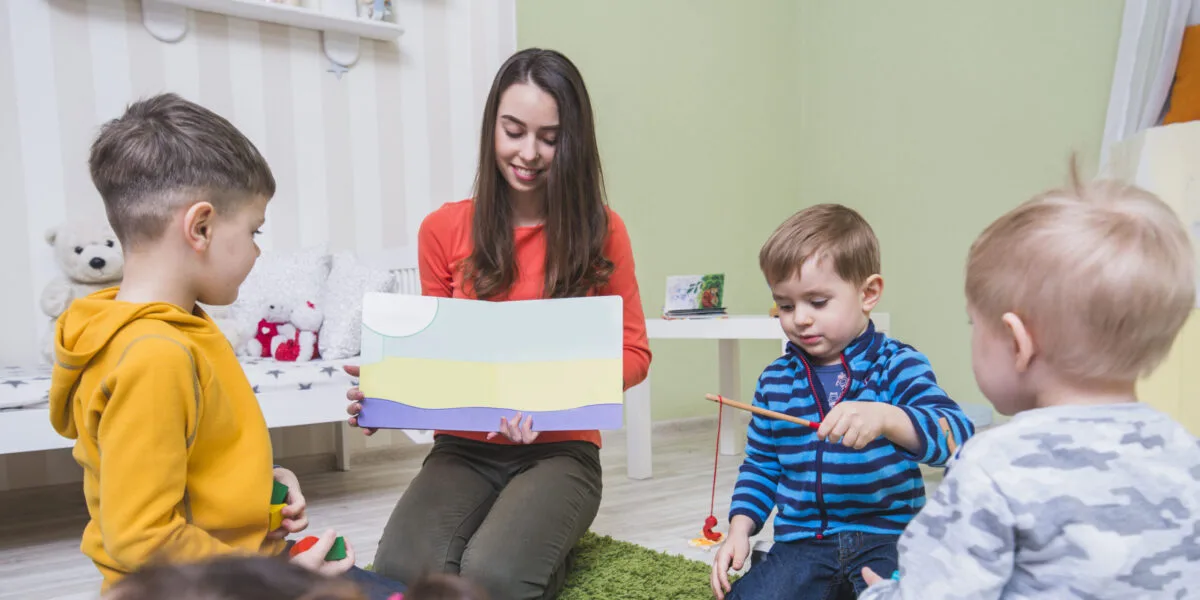
Good teachers use a whole toolkit to help a child who is still building English feel understood: gestures and visual cues, simple repeated phrases, plenty of songs and stories, and warm one-to-one attention. Small class sizes and low teacher-to-child ratios make a real difference here, because a child who is seen and known is far more likely to feel safe enough to try. This is one reason inquiry- and play-based settings suit language newcomers well — the classroom follows children's interests and gives them real reasons to communicate, rather than demanding performance. You can read more about this in our guide to inquiry-based preschools.
How You Can Help at Home
You do not need to teach English at home, and you certainly do not need to abandon your own language. A few gentle things help:
- Keep speaking your home language richly and confidently — it strengthens your child's overall language foundation.
- Read and sing together in any language; the love of stories and words transfers across languages.
- Share a few key words with teachers — your child's word for "water", "toilet" or "hungry" can make early days much easier.
- Stay relaxed about progress. Children sense pressure. Warmth and patience help far more than drilling.
Reassurance, Not Guarantees
No one can promise a precise timeline, because children genuinely vary — and that is okay. What experience consistently shows is that, given a warm environment, time and no undue pressure, most young children in Singapore's preschools grow comfortable with English while keeping the language they love at home. If your family speaks little English, that is not a barrier to starting preschool here; it is simply the beginning of a journey your child is well designed to make.
If you would like to see how Pegasus International Preschool supports children who are new to English, you are welcome to book a school tour, explore our international preschool in Novena, or contact our team with any questions about your child's language background.