You have made the move, unpacked the boxes, and found a preschool. Now comes the part many parents quietly worry about most: helping your child actually settle in. Starting preschool is a big step for any young child. Doing it just after leaving behind a familiar home, friends and country makes it bigger still. The good news is that children are remarkably adaptable, and with patience and a few gentle strategies, most settle far better than their anxious parents expect. This guide gathers what tends to help, drawing on the same ideas our teachers use every day.
Why Settling In Can Take Longer After a Move
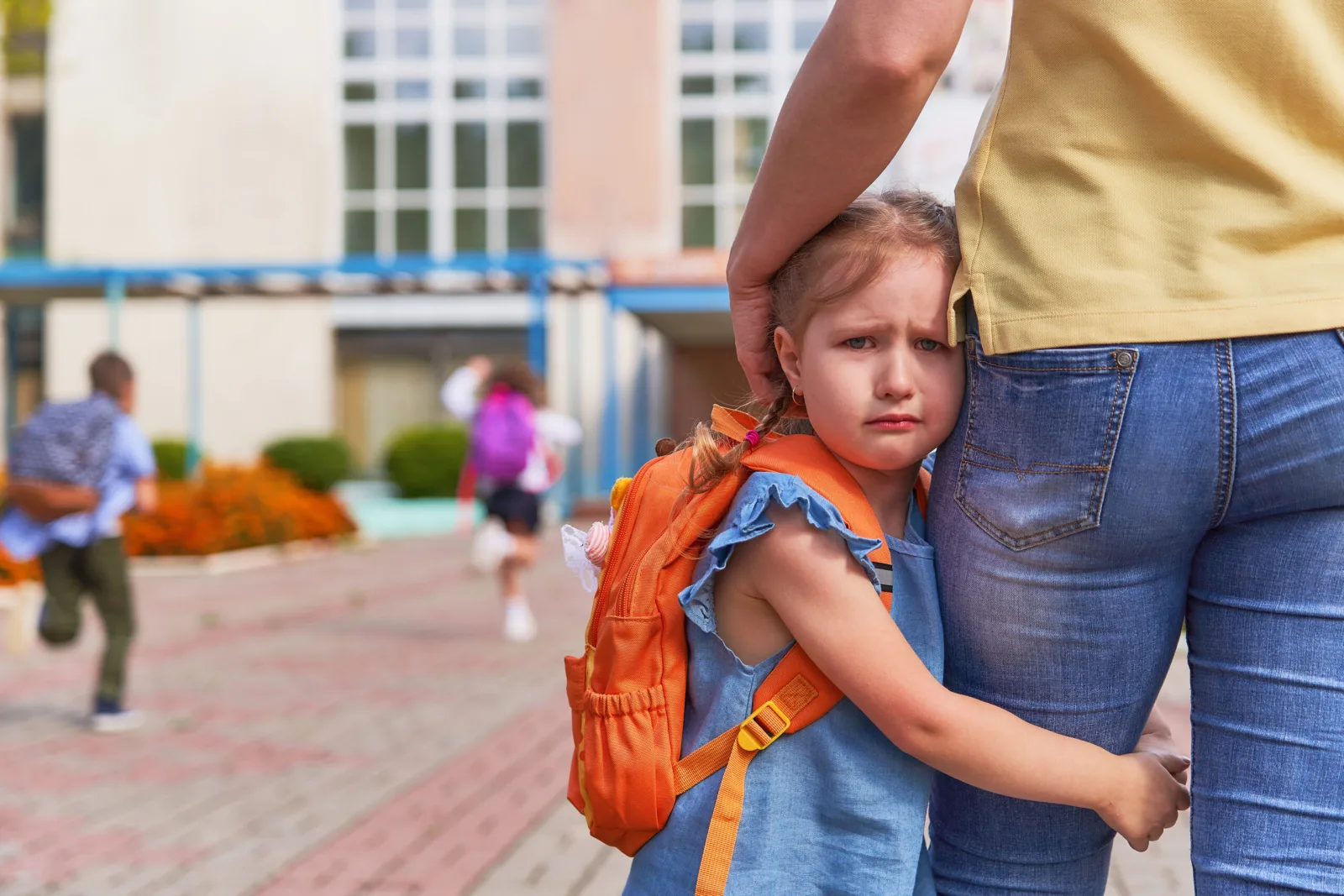
When a child starts preschool in their home country, they are usually managing one big change: separating from a parent. A child who has relocated is often managing several at once — a new home, a new city, unfamiliar food and weather, sometimes a new language, and the loss of the people and routines that made the world feel predictable. It is completely normal for a recently moved child to be clingier, more tired, more easily upset, or quieter than usual for a while. This is not a sign that something is wrong or that you chose the wrong school. It is a young child doing the hard work of adjusting, and it takes time.
Rebuild Predictability at Home
Predictability is what a big move takes away, so restoring it is the most powerful thing you can do. Where you can, keep familiar routines — the same bedtime story, the same cup, the same order of the morning. Hold on to comfort objects; a well-loved toy or blanket carries a piece of home into a new place. Try to keep mornings calm and unhurried so drop-off does not begin in a rush. Small, steady rhythms tell a child, without words, that the world is safe again.
Make Drop-Off Gentle and Consistent
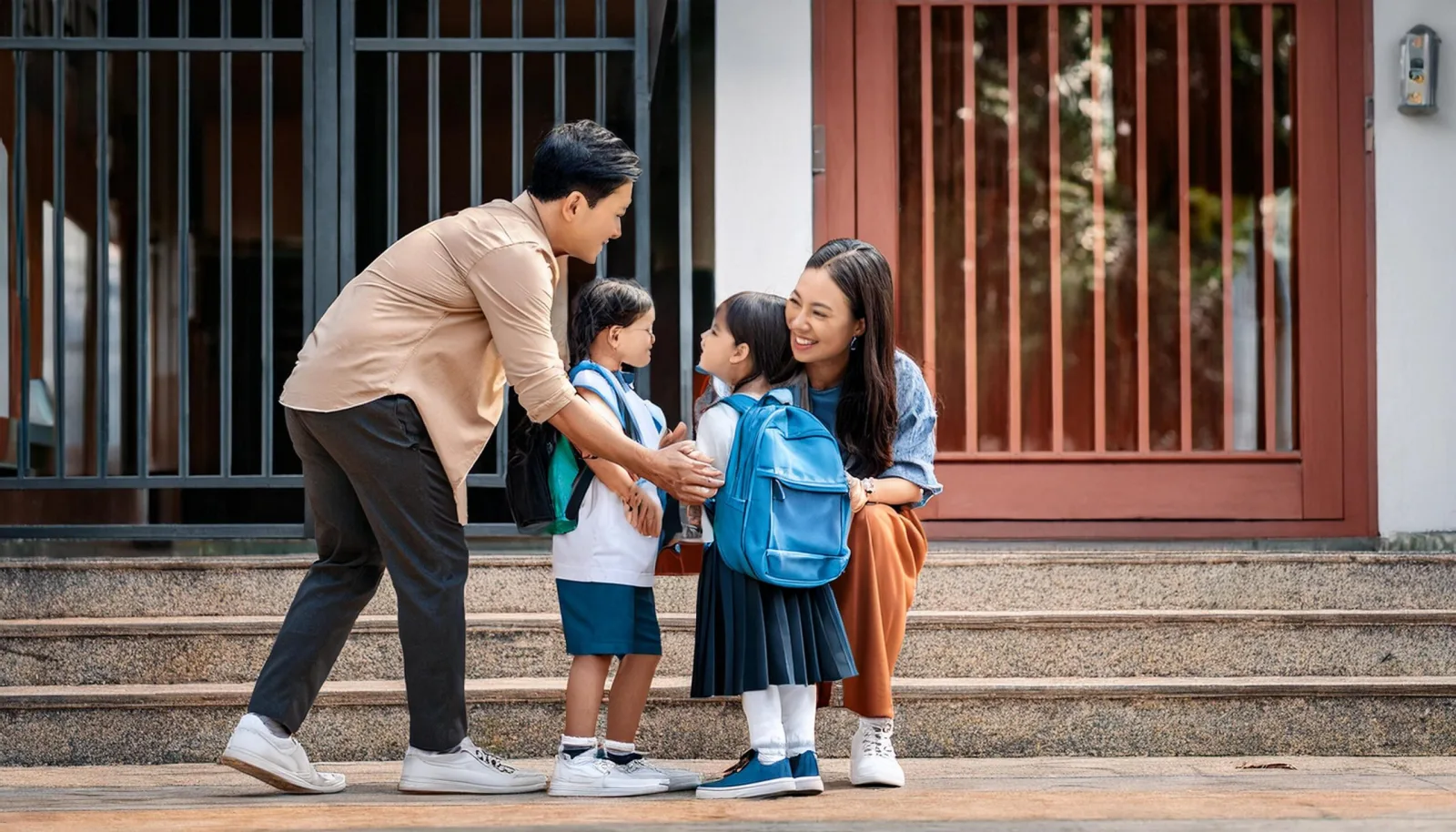
Separation is often the hardest moment, and it can feel sharper after a move because your child has already had so much taken away. A predictable goodbye helps: a short, warm routine, a confident "I'll be back after snack time", and then a calm, unhurried exit. Lingering anxiously or slipping away without saying goodbye both tend to make things harder. If tears at drop-off are weighing on you, our guide to helping your child with separation anxiety goes deeper, and much of it applies doubly to a relocating child.
Let Friendships and Language Grow Slowly
Two things rebuild a child's sense of belonging after a move: friends and language. Both take time, and both grow best without pressure. In a warm classroom, friendships form naturally as children build, paint and play side by side, and a child who arrived shy often surprises their parents within a few weeks. Language follows the same gentle path — young children pick up words socially, in real situations, rather than through drilling. If your family's first language is not English, our article does my child need to speak English before starting preschool? may set your mind at ease. A multilingual environment can even help, because a child's home language is valued rather than left behind.
Partner Closely With Teachers
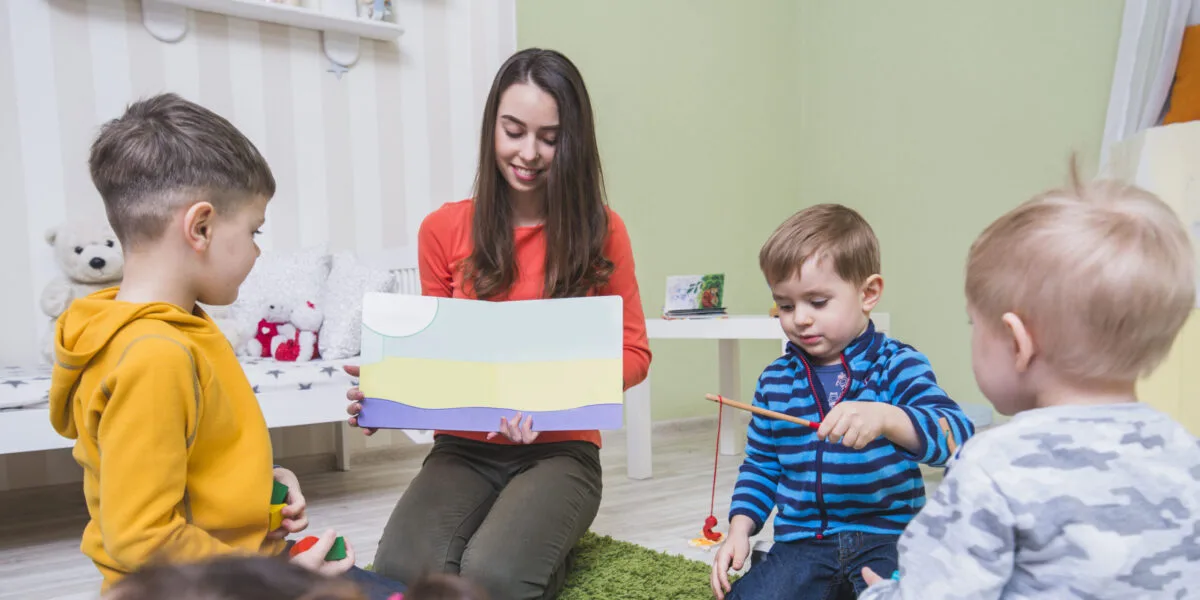
You know your child; their teachers know how children settle. Together you are a strong team. Share what helps your child feel safe, what they love, and any words in your home language that comfort them — a familiar word for "water" or "toilet" can make a nervous first week much easier. Ask how your child is doing and trust teachers to be honest. Warm, regular communication matters especially when you cannot yet read your child's new environment yourself. This kind of home-school partnership is central to how a Reggio Emilia-inspired preschool like Pegasus works, and it is one reason relocating families often feel supported here.
Support Big Feelings Without Rushing Them
A recently moved child may show feelings in ways that surprise you — through tears, tantrums, sleep changes or a sudden need to be close. These are normal responses to change, not problems to be fixed quickly. What helps is naming feelings kindly ("you're missing our old home — that makes sense") rather than dismissing them, and giving your child room to adjust at their own pace. Our articles on building emotional resilience and helping children talk about their emotions offer gentle, practical ways to do this at home.
This is general guidance for ordinary adjustment, not medical or psychological advice. Every child is different, and if you feel worried about how your child is coping, it is always worth speaking with your child's doctor or another qualified professional.
Give It Time — More Than You Expect
Perhaps the most important thing to know is that settling is rarely instant, and that is completely fine. Some children are happy within days; many take a few weeks; some need a couple of months to feel fully at home, especially after a big international move. Adjustment often comes in waves — a great week followed by a wobbly one — rather than a straight line. If you can hold steady, keep routines, stay in touch with teachers and resist comparing your child to others, most children arrive at a genuinely happy place.
You Are Not Doing This Alone
Helping a young child settle after moving countries is one of the quieter challenges of relocation, and it is easy to feel you are carrying it by yourself. You are not. A caring preschool shares the work with you, and thousands of relocating families have walked this path before. At Pegasus International Preschool, our teachers are practised at welcoming children who are new to Singapore and new to the classroom, easing them in gently until it feels like their own. If you would like to see how that support works in person, you are welcome to book a school tour, or read more about our international preschool in Novena and how it supports families building a new life here.