
Ask any parent of a toddler or preschooler and you will hear a familiar story: two children, one toy, and a sudden storm of tears. Disagreements over sharing, turn-taking, and personal space are a daily part of early childhood — and while they can be tiring to watch, they are also one of the richest learning opportunities a young child will meet. At Pegasus International Preschool, we see conflict not as misbehaviour to be shut down, but as a moment to teach. With care, confidence, and purpose, our teachers guide children through disagreements so that each one becomes a lesson in empathy, communication, and problem-solving.
Why Conflict Is Normal — and Valuable — in Early Childhood
Between the ages of 18 months and six years, children are only beginning to understand that other people have feelings, wants, and points of view different from their own. A child who grabs a toy is not being “naughty” — they simply have not yet developed the language or the self-control to ask, wait, or negotiate. Conflict is precisely how those skills are practised. Every small dispute is a real-world exercise in patience, fairness, and reading other people.
When adults rush to end every squabble with “Just share!” or “Say sorry!”, children miss the chance to build these abilities for themselves. Children who are supported through conflict, rather than shielded from it, tend to grow more resilient and more capable of keeping friendships. That is why our inquiry-based curriculum treats social and emotional growth as seriously as early literacy and numeracy.
Emotion Coaching: Naming Feelings Before Fixing Problems
Before a child can solve a problem, they need to feel calm and understood. Big feelings — frustration, jealousy, anger — can overwhelm a young brain, and no amount of reasoning will reach a child who is still flooded with emotion. This is where emotion coaching begins.
Our teachers start by helping children name what they feel: “You look really upset that the tower fell down,” or “I can see you wanted that turn, and waiting made you cross.” Naming an emotion does something powerful — it helps a child recognise the feeling, understand that it is normal, and begin to settle. We never brush feelings aside with “you’re fine” or “don’t cry.” Instead, we acknowledge them, set a gentle boundary around behaviour (“It’s okay to feel angry; it’s not okay to hit”), and stay close until the storm passes.
Teaching Problem-Solving and the Language of Repair
Once a child is calm, they are ready to think. Rather than imposing a solution, our teachers hand the problem back to the children with open questions: “What can we do so that you both get a turn?” or “How do you think your friend is feeling now?” Young children are wonderfully inventive when they are trusted to find answers — they suggest using a timer, taking turns, building something together, or trading one toy for another.
We also teach the language of repair. A meaningful “sorry” is not a word squeezed out under pressure, but an understanding that an action affected someone else. We might guide a child to ask, “Are you okay?” or “How can I help?” These small phrases, practised again and again, become the foundation of genuine empathy and lasting friendship — skills that carry children well beyond their Nursery and Kindergarten years.
How Pegasus Teachers Guide Conflict, Step by Step
With small classes and low teacher-to-child ratios, our educators can slow down and stay present in these moments rather than simply pulling children apart. A typical approach looks like this:
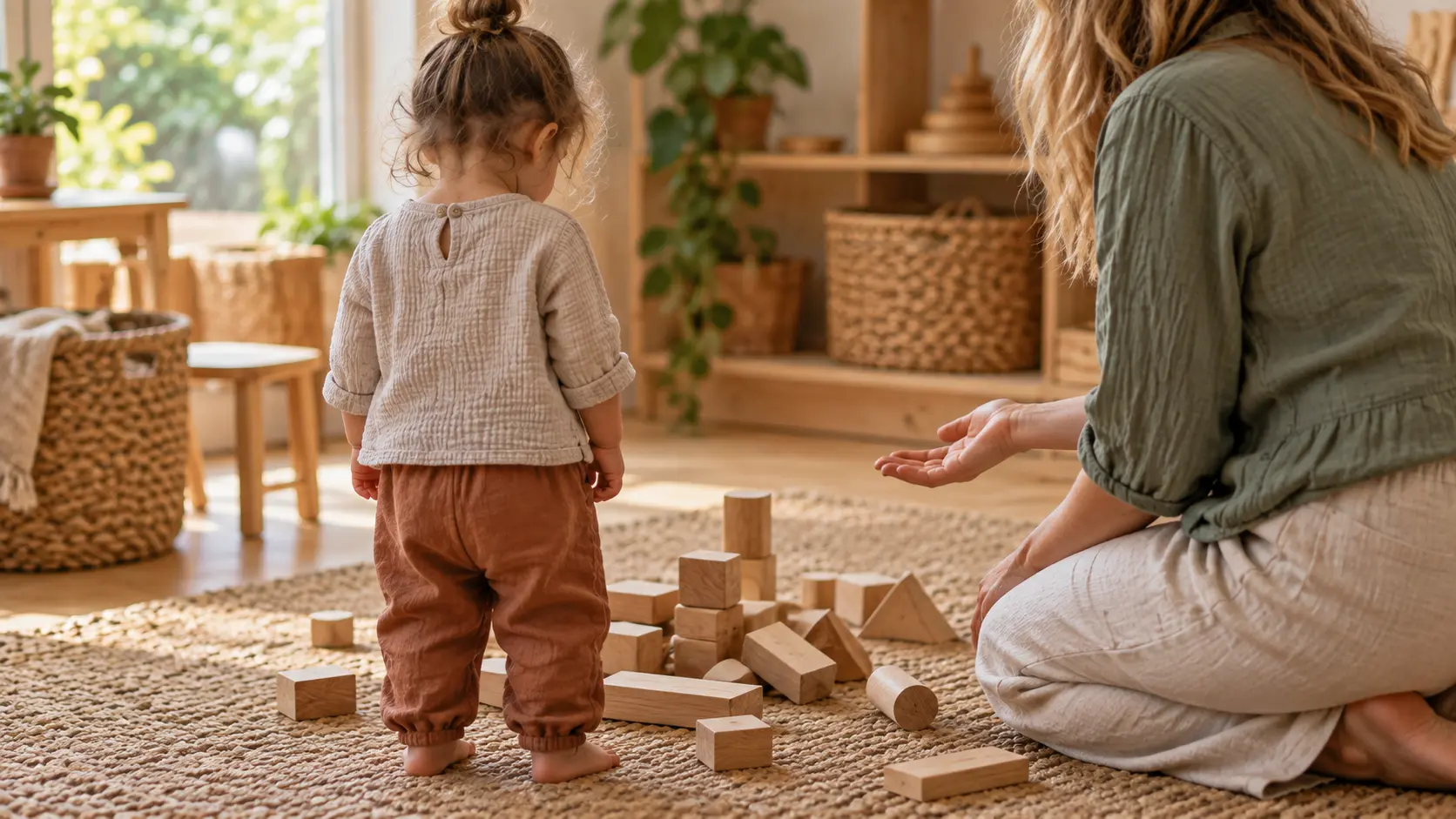
- Get close and calm. The teacher comes down to the child’s eye level, offers a steady presence, and helps everyone breathe.
- Describe what happened. “It looks like you both wanted the red car at the same time.”
- Acknowledge every child’s feelings. Each child is heard — not only the one who spoke first or loudest.
- Invite problem-solving. “What could we try?” The children offer ideas and choose a way forward together.
- Support repair and reconnection. A check-in, a shared game, or a kind gesture helps the friendship mend.
This is emotion coaching in action, and it reflects the heart of our Reggio Emilia–inspired, trilingual environment, where every child is respected as a capable thinker in English, Chinese, and Japanese. You can experience this warm, unhurried atmosphere for yourself at our campus in Novena, located just opposite KK Hospital.
Interested in seeing how Pegasus International Preschool supports your child’s learning journey? Book a school tour or contact our enrolment team to learn more.