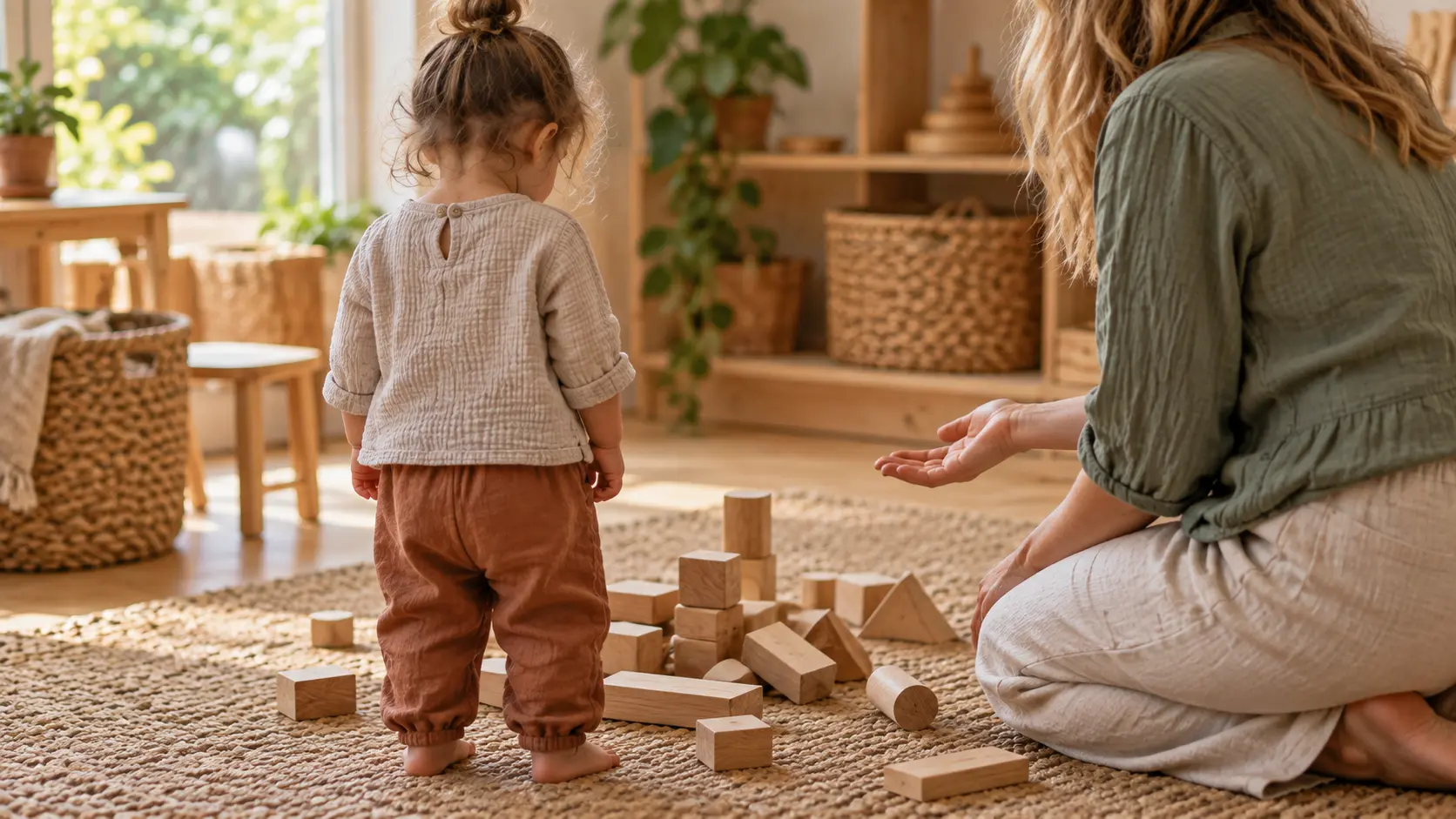
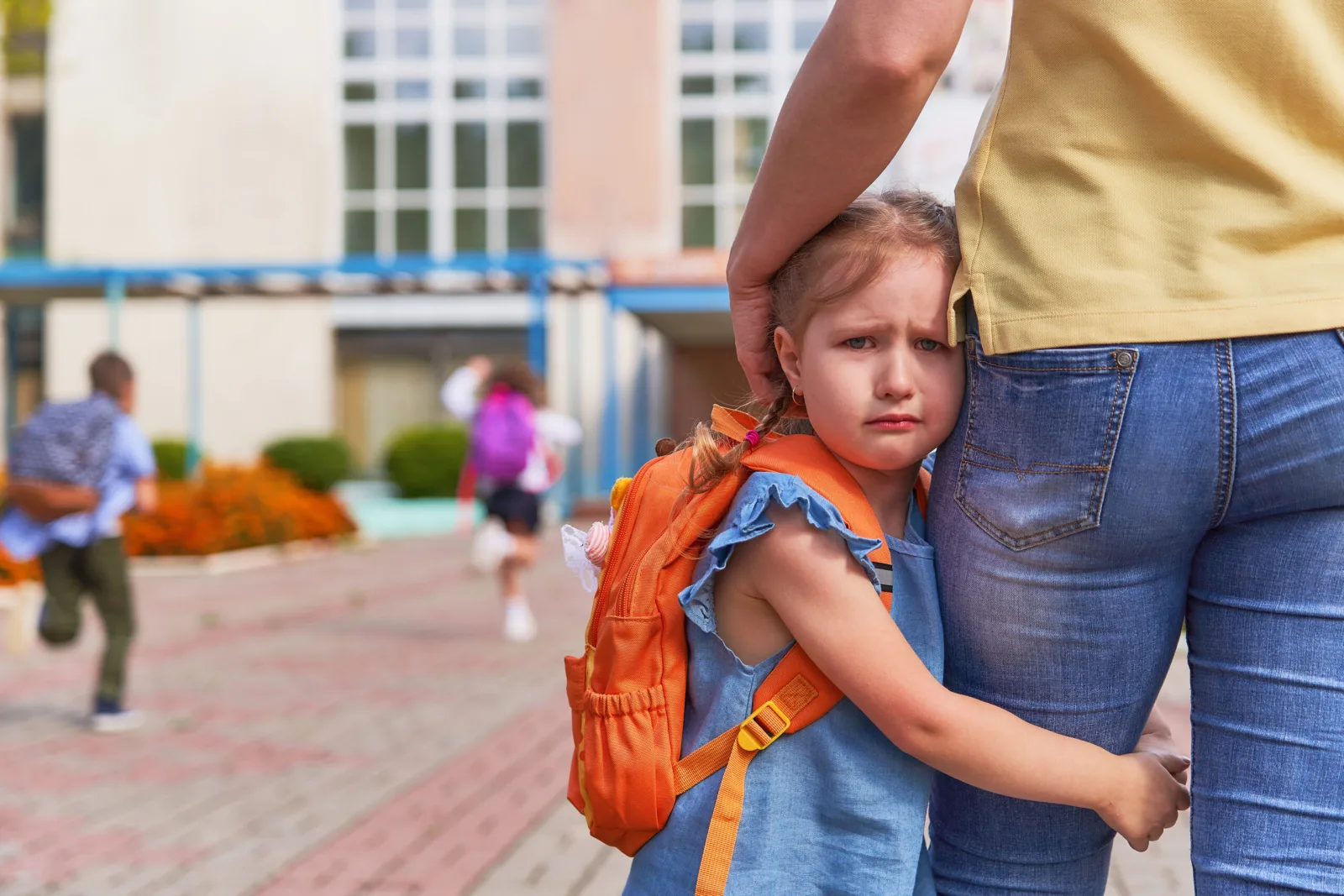
Every child will one day face a wobble — a tower of blocks that topples, a playmate who says “you can’t join in”, or a first morning away from mum and dad. Emotional resilience is what helps a young child steady themselves after these small storms and find the courage to try again. It is not about never feeling upset; it is about learning, with the support of caring adults, that big feelings can be named, shared, and worked through. At Pegasus International Preschool in Novena, we see the early years as the ideal time to lay these foundations — gently, patiently, and without pressure.
What emotional resilience is, and why it matters in the early years
Resilience is often misunderstood as toughness, or the ability to “bounce back” all on one’s own. In young children it is quite the opposite: it grows out of connection. A resilient preschooler is one who can recover from disappointment, adapt to change, and keep trying when something is hard — because they trust that a familiar adult is nearby to help. The brain’s foundations for managing stress and emotion are built rapidly between 18 months and six years of age, which makes this window especially precious. When children are supported to handle everyday frustrations now, they carry that inner steadiness into school, friendships, and the wider world. This is why social-emotional learning (SEL) sits at the heart of everything we do.
Secure relationships and co-regulation come first
Long before a child can calm themselves, they calm down with someone. This is called co-regulation, and it is the true starting point of resilience. When a distressed toddler is met by a warm, steady teacher — a soft voice, a lowered gaze, a reassuring hand — the child borrows that calm until they can find their own. Our small classes and low teacher-to-child ratios exist precisely so that every child has a consistent, trusted adult who knows them well. These secure relationships are not a “nice extra”; they are the safe base from which children feel brave enough to explore, take small risks, and recover from setbacks.
Naming feelings: emotion coaching that builds self-regulation
One of the simplest and most powerful things an adult can do is help a child put words to what they feel. “You look really frustrated that the puzzle won’t fit — that’s hard.” Naming an emotion helps to tame it, giving a child a way to understand the storm inside rather than being swept away by it. Our educators are trained as emotion coaches: they notice feelings early, accept them without judgement, and gently guide the child towards a way forward. Over time, a child who has heard their feelings named again and again begins to name those feelings for themselves — the first real step towards self-regulation. Predictable daily routines support this too, because knowing what comes next helps anxious feelings settle.
What this looks like day to day at Pegasus
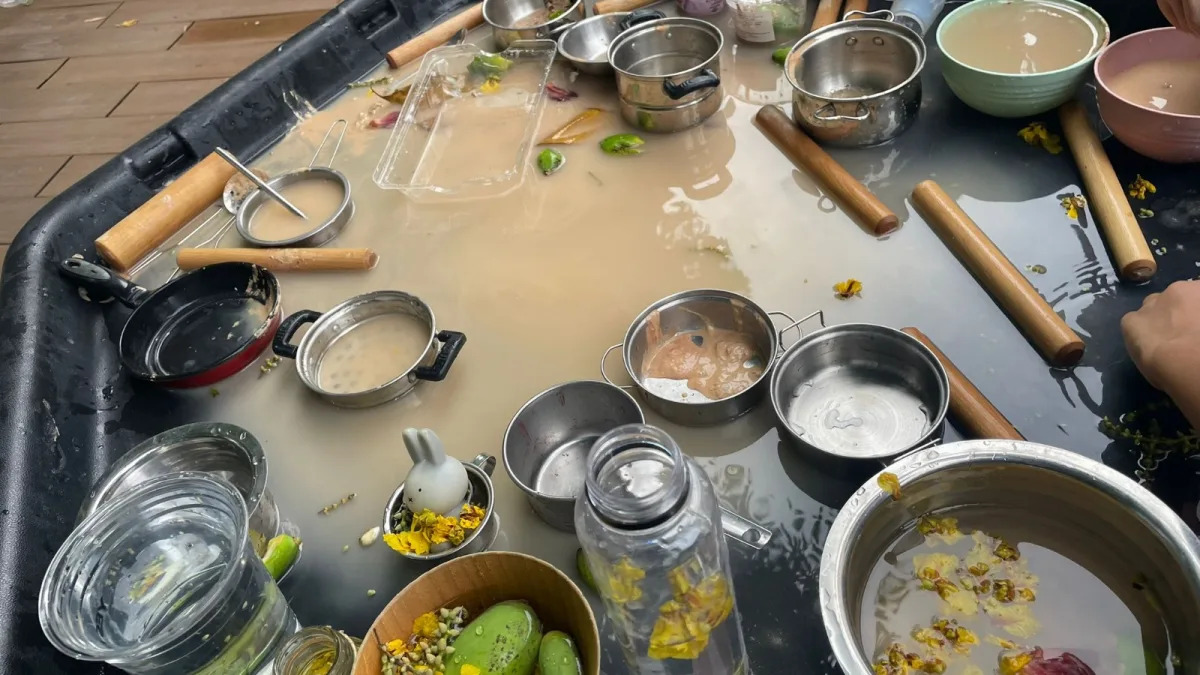
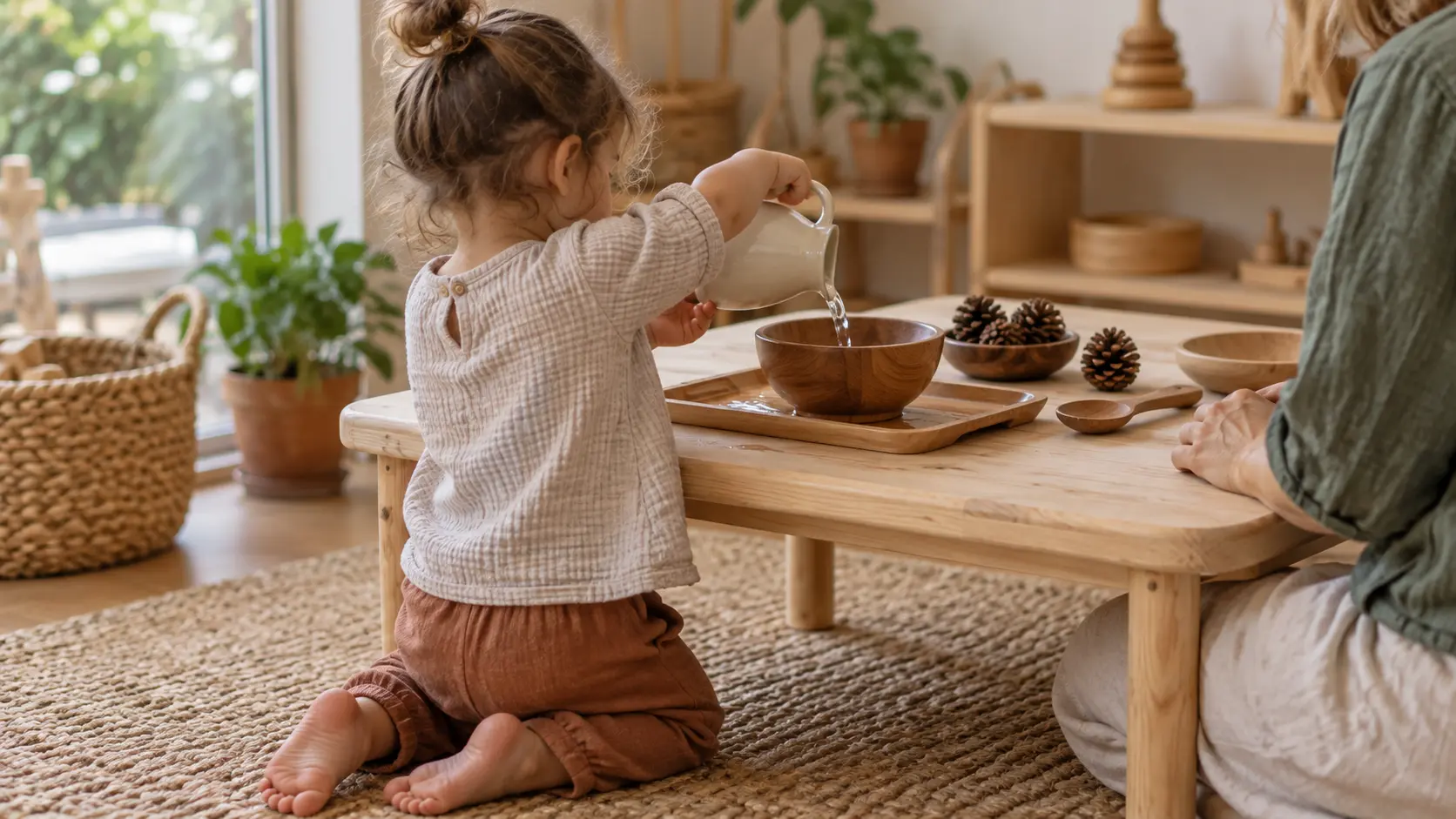
Resilience is built in ordinary moments, not grand lessons. In our Smart Toddlers programme, that might mean a teacher staying close as a child learns to say goodbye at drop-off, or celebrating the effort in a wobbly first attempt to pour water. In our Nursery classes, children practise sharing, taking turns, and negotiating small disagreements — with an educator nearby to help them find fair solutions rather than stepping in to fix everything. We offer manageable, open-ended challenges: puzzles, collaborative art, group projects, and play that invite trial, error, and eventual success. Each small triumph quietly tells a child, “I can cope, and I can try again.” You can see how these skills build across the ages in our curriculum.
Our Reggio-inspired, trilingual approach to well-being
Our Reggio Emilia-inspired, inquiry-based philosophy treats every child as capable, curious, and full of feeling. Rather than rushing children through emotions or rewarding only “good” behaviour, we respect the whole child and follow their lead. Because Pegasus is trilingual — English, Chinese, and Japanese — children also learn that feelings can be expressed and understood across cultures and languages, a quiet daily lesson in empathy. Learning alongside caring teachers and friends from many backgrounds, our children grow into adaptable, emotionally confident individuals. Set opposite KK Hospital in the heart of the city, our preschool in central Singapore partners closely with families, so that the emotional security nurtured at school continues at home.
Interested in seeing how Pegasus International Preschool supports your child’s learning journey? Book a school tour or contact our enrolment team to learn more.