Moving on to international school is an exciting milestone — and for many families in Singapore it begins long before the first day. The curiosity, independence and confidence a child carries into a larger, more structured environment are shaped in the early years, well before formal schooling starts. This guide looks at what international schools actually value in young children, what may feel different when your child moves up, and the practical, everyday ways you can help them arrive ready to explore, take part and belong. Where a strong preschool foundation makes a difference, we explain how — including how a Reggio Emilia–inspired, inquiry-based start like the one at Pegasus supports the move.
What International Schools Look For in Young Learners
International and IB primary schools rarely expect a four- or five-year-old to arrive reading fluently or completing worksheets. What they value far more is a child who is curious, independent and socially confident — one who can settle into a new group, follow their interests and express their needs clearly. Early-years teachers and admissions teams consistently look for children who can:
- Focus on an activity and see it through to the end
- Ask questions and offer ideas of their own
- Play and work alongside others with empathy and patience
- Adapt to new routines and manage small challenges independently
- Show a genuine enthusiasm for learning
These are not qualities that can be crammed in the months before an interview. They grow steadily, through daily experiences in an environment that treats young children as capable, thinking individuals. That is exactly what an inquiry-based curriculum is designed to nurture, and it is the strongest preparation a preschool can offer for the years ahead.
What May Feel Different in a Bigger School
It helps to picture what actually changes for a child moving from preschool into an international or primary setting, so you can prepare gently rather than anxiously. Compared with a small, familiar preschool room, a bigger school often means:
- A larger, less familiar environment — more children, more classrooms, a wider campus and new faces to get used to.
- A more structured day — clearer timetables, subject blocks, and expectations around lining up, transitions and following group instructions.
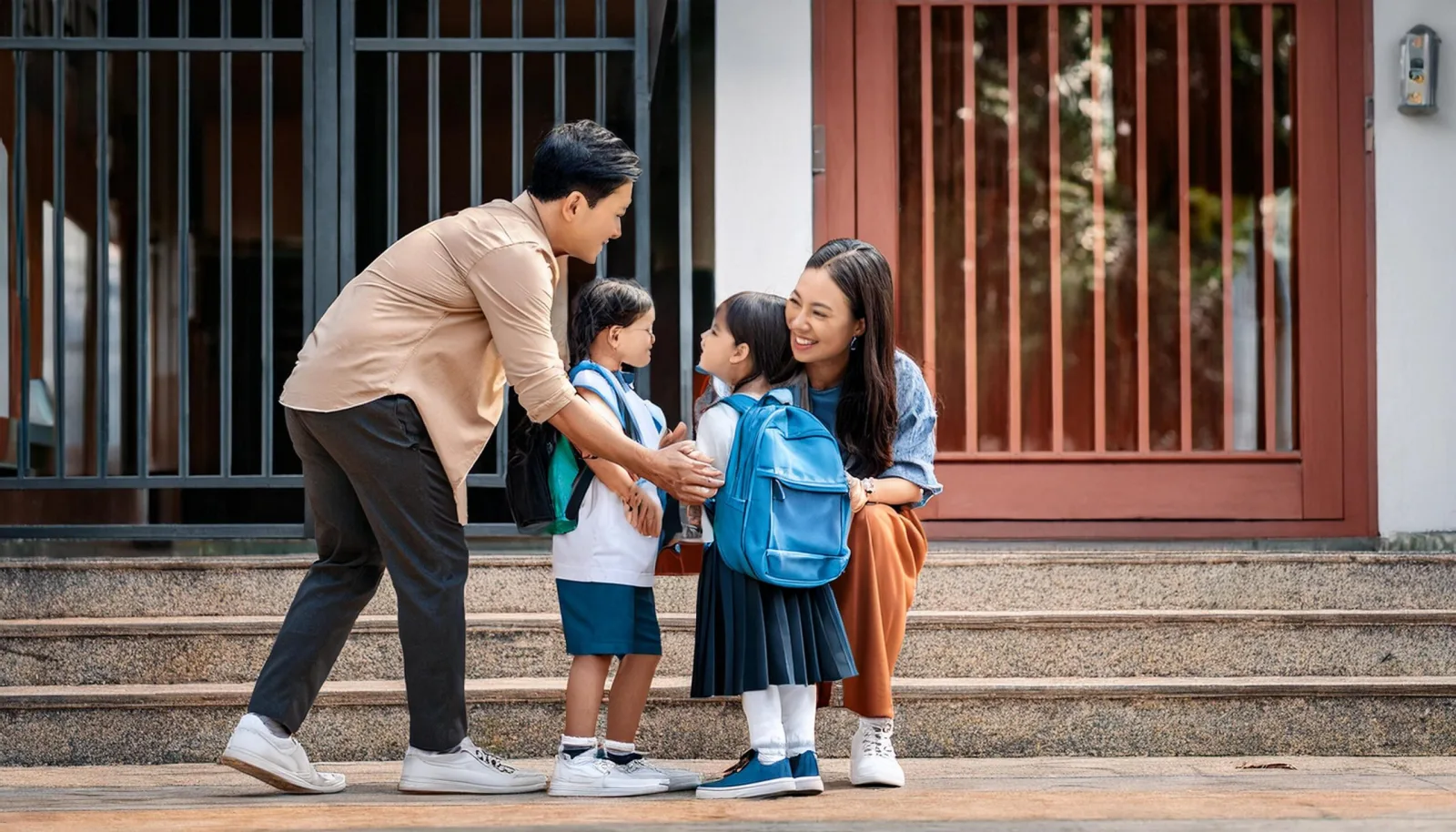
- More independence — managing belongings, bathroom routines, meals and asking for help without a familiar adult always at their side.
- A possibly new curriculum or language of instruction — a different teaching style, and sometimes a language the child is still growing into.
None of this is cause for worry. Children adapt remarkably well when the groundwork is there, and most of that groundwork is built quietly, day by day, in the preschool years. Knowing what is coming simply lets you focus your preparation where it counts.
The Everyday Skills That Ease the Transition
When teachers describe a child who "settled in beautifully", they are usually describing a cluster of ordinary, practical skills rather than academic ability. These are the areas worth nurturing before any move:
- Independence. Small self-help routines — putting on shoes, managing a water bottle, tidying up, trying before asking — give a child real confidence in a bigger setting.
- Coping with routines. A child used to predictable rhythms and gentle transitions copes far better with a more structured timetable. Practising simple routines at home helps.
- Communication. Being able to say "I need the toilet", "I don't understand", or "Can I have a turn?" matters more than any worksheet. Confident communication is the bridge to everything else.
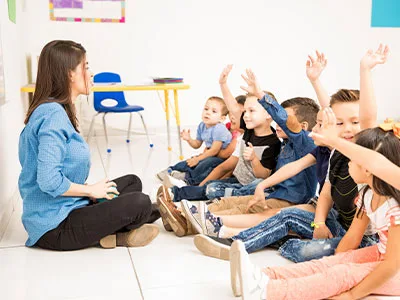
- Classroom participation. Sitting with a group, listening, taking turns to speak and contributing an idea are skills built through years of circle time and shared play, not taught overnight.
- Confidence and resilience. The willingness to try something new, to make a mistake and try again, and to recover from a wobbly morning is what carries a child through the first unfamiliar weeks.
- Social and emotional adjustment. Making a friend, reading others' feelings and managing big emotions are the quiet foundations of a happy start. This is where emotional resilience built in preschool pays off most.
Notice how few of these are academic. School readiness, for a young child, is far more about being ready to learn — settled, curious and confident — than about early literacy or numeracy. A preschool that prioritises the whole child is preparing them for school in the truest sense.
How Inquiry-Based Learning Builds Independence and Thinking
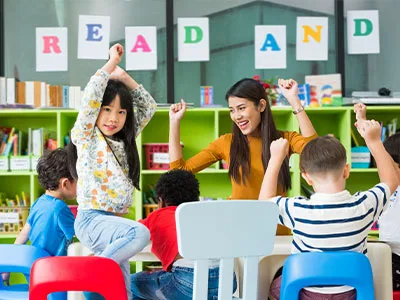
In an inquiry-based classroom, children are investigators rather than passive recipients of information. A single question — "Why do leaves change colour?" or "Where does rain come from?" — can become a project that unfolds over days or weeks. Children observe, predict, test their ideas and share what they discover with their friends. This is the same rhythm of learning they will meet in an international or IB setting, where inquiry, discussion and project work sit at the heart of the classroom, so the approach feels familiar rather than foreign.
When classes are small and teacher-to-child ratios are low, every child is genuinely heard. Teachers guide rather than dictate, giving children space to make choices, solve problems and take ownership of their learning. Over time this nurtures the independence and critical thinking that help a child feel confident, not overwhelmed, in a bigger school — they already know how to focus, how to persevere when something is tricky, and how to work as part of a group. The Reggio Emilia approach that shapes our classrooms treats the environment itself as a teacher, encouraging exactly this kind of active, self-directed learning.
Language and the Confidence to Speak Up
One of the most valuable gifts of the early years is an ear for language. Young children absorb sounds, rhythms and vocabulary far more naturally than older learners, and rich early exposure builds a flexible, confident communicator. A trilingual environment — at Pegasus, English, Mandarin Chinese and Japanese woven through songs, stories, play and everyday conversation — means children grow comfortable moving between languages and meeting new words with openness rather than anxiety.
For families heading towards an international school, whether English-medium or bilingual, this is a genuine head start. Just as importantly, the confidence to speak up, ask for help and share an idea in front of others is practised every single day. If your family speaks another language at home, that home language remains a strength, not a hurdle — our guide to raising a multilingual child in Singapore explains how to keep it strong while your child grows into new languages.
Timing Your Child's Transition
There is no single perfect moment to think about the move, but a little planning helps. Many families find that a settled, confidence-building final preschool year is the best possible springboard — a child who has grown steadily and finished their early years feeling capable tends to step up without a jolt. Rather than rushing a child into a bigger setting early, it is often wiser to let the foundations mature.
Allow time to settle, too. A move to a new school — especially alongside a move to a new country — is a big change, and children do best when they are not asked to absorb everything at once. Our guides to settling in after a move and preparing for a first day offer gentle, practical ways to ease any transition, and the same principles apply when the next school comes into view. Above all, remember that the curiosity, independence and social ease built in preschool travel with your child — good foundations do not expire, they carry over.
Questions to Ask a Future International School
When you visit or enquire, a few well-chosen questions tell you far more than a glossy brochure. Consider asking:
- How do you help a child settle in during the first few weeks, especially one who is new to the school or to Singapore?
- What does a typical day look like for this age group, and how structured is it?
- How do you support a child who is still growing into the language of instruction?
- What are your class sizes and adult-to-child ratios?
- How do you communicate with parents, and how will I know how my child is getting on?
- How much of the day is play, inquiry and hands-on learning versus formal instruction?
- How do you support friendships, emotional wellbeing and children who find transitions hard?
The answers reveal a school's real priorities. Our broader guide to choosing the right school goes deeper into how to weigh what you hear against what you see.
How Pegasus Supports the Head Start
Everything above comes together in our Kindergarten years, where children aged four to six consolidate the skills international schools value most. Through hands-on projects, weekly Fun Friday activities and rich trilingual exposure, they strengthen independence, curiosity and communication in a warm, unhurried way. Alongside this sits a steady focus on social-emotional learning — naming feelings, resolving small conflicts, showing empathy and building the resilience to try again — the quiet skills that make the biggest difference when a child walks into a room full of unfamiliar faces. Because we grow with children from 18 months to six years, the journey towards international school feels less like a leap and more like a natural next step.
If you would like to see how these foundations are built day to day, you are welcome to book a school tour at Pegasus in Novena, or talk to our enrolment team about where your child would begin.